
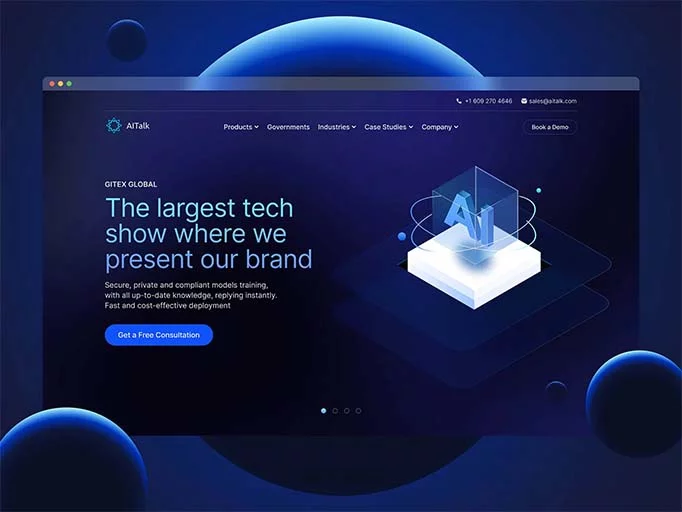




Search Engine Optimization (SEO) is the process of improving your website so that it appears higher in search engine results like Google. When people search for products, services, or information, they usually click on one of the first few results. If your site isn’t there, you lose traffic, leads, and sales.
SEO is not about tricks or shortcuts. It’s about making your website usefule clear, fast, and trustworthy so search engines prefer to show it.
How Search Engines Actually Rank Websites
Search engines look at three main things:
1. Content relevance
Your page must match what people are searching for. If someone searches “wooden furniture in Rajkot,” Google shows pages that clearly talk about that topic.
2. Website quality
Google checks whether your site loads fast, works on mobile, and is easy to navigate. A slow or messy website ranks lower.
3. Authority and trust
If other websites link to yours, Google assumes your content is useful. Reviews, brand mentions, and backlinks increase trust.
Keyword Research Comes First
SEO starts with choosing the right keywords. These are the exact words people type into Google.
Good keywords:
- Have search demand
- Match your business
- Are not extremely competitive
Examples:
- “modular kitchen furniture”
- “office table price in India”
- “fire safety equipment supplier”
- “best wardrobe for small bedroom”
Use tools like Google autocomplete, Search Console, or keyword tools to find real search phrases.
On-Page SEO: What to Fix on Every Blog Post
Each blog post should follow a simple structure.
1. Use the keyword in the title
Search engines must instantly understand your topic.
2. Add the keyword in the first paragraph
This confirms relevance.
3. Use headings (H2, H3)
This improves readability and ranking.
4. Add internal links
Link to your product pages or other blogs. This keeps visitors on your site longer.
5. Optimize images
Use descriptive file names and alt text like:
“modern-wooden-office-table.jpg”
Content Quality is the Real Ranking Factor
Many websites publish short or copied content. That rarely ranks now.
Good SEO content should:
- Solve a real problem
- Be easy to read
- Give clear answers
- Include examples
- Be longer than basic competitor pages
Google prefers helpful content, not keyword stuffing.
Technical SEO Basics You Must Not Ignore
Even great content won’t rank if your website has technical problems.
Make sure:
- Website loads fast
- Mobile version works perfectly
- URLs are clean (example: /seo-tips not /page?id=23)
- SSL certificate is active (https)
- The sitemap is submitted to Google Search Console
These small fixes often give quick ranking improvements.
Backlinks: Still One of the Strongest Ranking Signals
When other websites link to yours, Google sees it as a vote of trust.
Simple ways to get backlinks:
- Guest posting on blogs
- Listing your business in directories
- Writing useful guides that others want to reference
- Sharing posts on social media
- Collaborating with local businesses
One strong backlink is better than many weak ones.
Local SEO for Business Websites
If your business serves a city or region, local SEO is critical.
You should:
- Create a Google Business profile
- Use location keywords (example: “furniture showroom in Rajkot”)
- Add your address and phone number on every page
- Collect customer reviews
Local SEO helps you appear in map results and nearby searches.
How Long Does SEO Take to Work
SEO is not instant.
Typical timeline:
- 1 month: indexing and small movement
- 3 months: visible ranking growth
- 6 months: strong traffic increase
- 12 months: stable long-term results
Paid ads stop when money stops. SEO keeps bringing visitors for free.
Final Thoughts
SEO is simply about making your website better than your competitors in three areas:
- Better content
- Better website experience
- Better credibility
If you focus on these consistently, rankings improve naturally over time.
If you want, I can also:
- Write this blog tailored specifically for your Mobesta furniture site
- Add keywords + meta title + meta description
- Expand this into a 2000+ word ranking article
Tell me which one you want next.
Write a blog on web design
Here’s a clear, SEO-friendly blog you can publish directly.
Why Web Design Matters for Business Growth in 2026
Web design is no longer just about how a website looks. It directly affects how customers trust your brand, how long they stay on your site, and whether they contact you or leave. A poorly designed website can push visitors away in seconds, while a clean and fast design can turn them into customers.
For any business — whether selling furniture, services, or products — your website is your digital showroom. First impressions online decide everything.
First Impressions Decide Trust
When someone lands on your website, they judge it instantly. If the layout looks outdated, cluttered, or confusing, they assume the business itself is unreliable.
A modern web design should include:
- Clean layout with proper spacing
- Easy navigation menu
- Clear headings and readable fonts
- Professional color combination
- High-quality images
Visitors should understand what your business offers within the first few seconds.
Mobile-Friendly Design is No Longer Optional
More than half of website visitors now come from mobile devices. If your site doesn’t adjust properly to phones, you lose both users and Google rankings.
A responsive website should:
- Fit all screen sizes automatically
- Keep buttons easy to tap
- Avoid horizontal scrolling
- Loads quickly even on slow networks
Google also ranks mobile-friendly websites higher, so good design directly improves SEO.
Website Speed Affects Sales
People don’t wait for slow websites. If your pages take more than a few seconds to load, many visitors leave before even seeing your content.
Good web design focuses on performance by:
- Compressing images
- Using lightweight themes
- Avoiding unnecessary animations
- Choosing reliable hosting
- Reducing heavy scripts
Fast websites keep users engaged and increase conversions.
User Experience is the Real Goal of Design
Good design is not decoration — it guides visitors toward action.
A strong website should make it easy to:
- Understand what you offer
- Find products or services
- Contact your business
- Read important information
- Navigate between pages
If users get confused, they leave. Simple structure always works better than complex layouts.
SEO and Web Design Work Together
Many people think SEO is only about keywords, but design plays a big role,e too.
Search engines prefer websites that:
- Load fast
- Work on mobile
- Have structured headings
- Use clean code
- Keep users engaged longer
A well-designed website improves rankings naturally because visitors stay longer and interact more.
Visual Branding Builds Recognition
Your website should match your business identity. Colors, fonts, and layout should stay consistent across all pages.
Strong branding helps visitors remember your business and builds trust over time. When your website looks professional and consistent, customers feel more confident buying from you.
Simple Design Converts Better Than Fancy Design
Many businesses try to add too many effects, sliders, and animations. This often slows the site and distracts users.
High-converting websites usually focus on:
- Clear headline
- One main message per page
- Visible call-to-action buttons
- Easy contact options
- Clean product presentation
Clarity always beats complexity.
Regular Updates Keep Your Website Effective
Web design is not a one-time task. Trends, devices, and user expectations keep changing.
You should update your site when:
- It looks outdated
- Pages load slowly
- Navigation feels confusing
- You add new services or products
- Competitor sites look more modern
A refreshed website keeps your business competitive online.
Final Thoughts
A good website design does more than look nice — it builds trust, improves search rankings, and increases sales. Businesses that invest in clean, fast, and user-focused websites always perform better online.
Your website should not just exist. It should work as a tool that brings customers to your business every day.