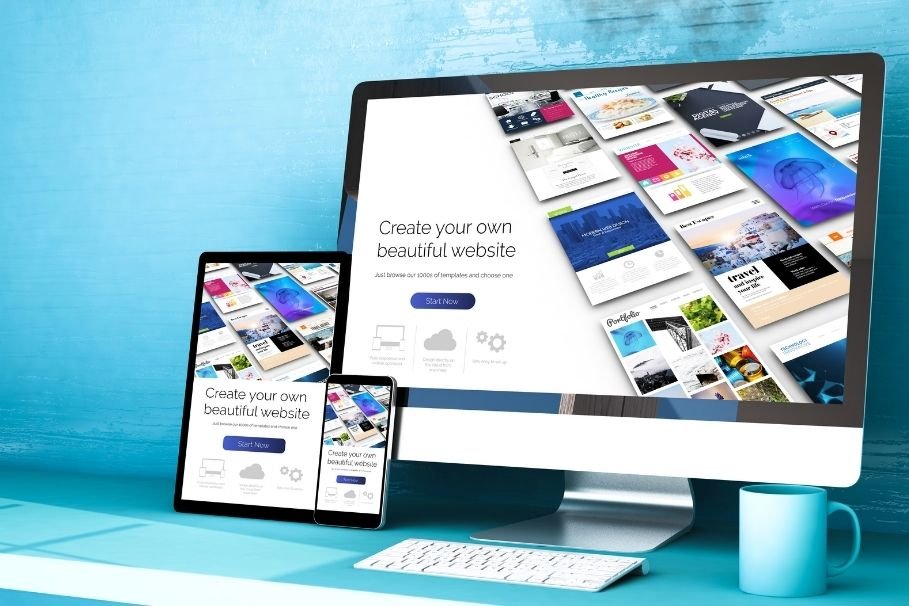
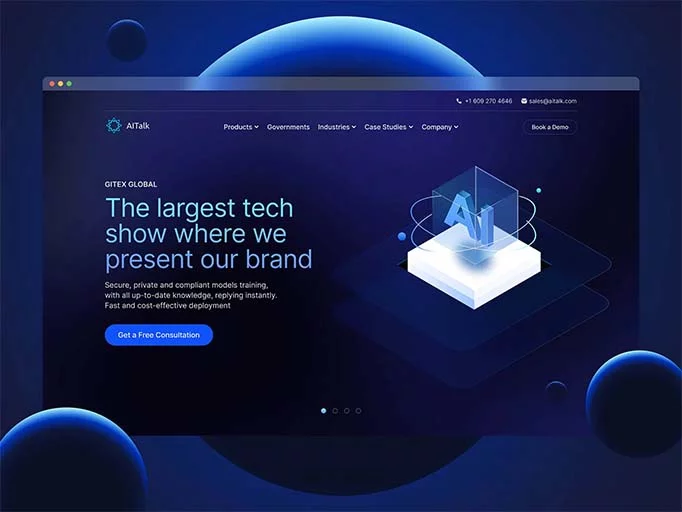


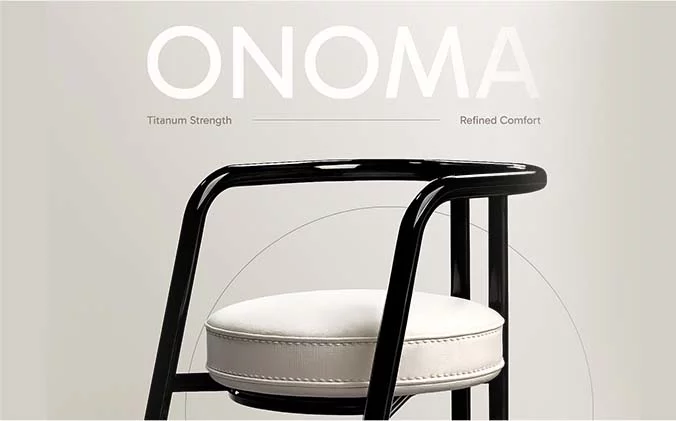

Web design is no longer just about how a website looks. It directly affects how customers trust your brand, how long they stay on your site, and whether they contact you or leave. A poorly designed website can push visitors away in seconds, while a clean and fast design can turn them into customers.
For any business — whether selling furniture, services, or products — your website is your digital showroom. First impressions online decide everything.
First Impressions Decide Trust
When someone lands on your website, they judge it instantly. If the layout looks outdated, cluttered, or confusing, they assume the business itself is unreliable.
A modern web design should include:
- Clean layout with proper spacing
- Easy navigation menu
- Clear headings and readable fonts
- Professional color combination
- High-quality images
Visitors should understand what your business offers within the first few seconds.
Mobile-Friendly Design is No Longer Optional
More than half of website visitors now come from mobile devices. If your site doesn’t adjust properly to phones, you lose both users and Google rankings.
A responsive website should:
- Fit all screen sizes automatically
- Keep buttons easy to tap
- Avoid horizontal scrolling
- Load quickly even on slow networks
Google also ranks mobile-friendly websites higher, so good design directly improves SEO.
Website Speed Affects Sales
People don’t wait for slow websites. If your pages take more than a few seconds to load, many visitors leave before even seeing your content.
Good web design focuses on performance by:
- Compressing images
- Using lightweight themes
- Avoiding unnecessary animations
- Choosing reliable hosting
- Reducing heavy scripts
Fast websites keep users engaged and increase conversions.
User Experience is the Real Goal of Design
Good design is not decoration — it guides visitors toward action.
A strong website should make it easy to:
- Understand what you offer
- Find products or services
- Contact your business
- Read important information
- Navigate between pages
If users get confused, they leave. Simple structure always works better than complex layouts.
SEO and Web Design Work Together
Many people think SEO is only about keywords, but design plays a big role too.
Search engines prefer websites that:
- Load fast
- Work on mobile
- Have structured headings
- Use clean code
- Keep users engaged longer
A well-designed website improves rankings naturally because visitors stay longer and interact more.
Visual Branding Builds Recognition
Your website should match your business identity. Colors, fonts, and layout should stay consistent across all pages.
Strong branding helps visitors remember your business and builds trust over time. When your website looks professional and consistent, customers feel more confident buying from you.
Simple Design Converts Better Than Fancy Design
Many businesses try to add too many effects, sliders, and animations. This often slows the site and distracts users.
High-converting websites usually focus on:
- Clear headline
- One main message per page
- Visible call-to-action buttons
- Easy contact options
- Clean product presentation
Clarity always beats complexity.
Regular Updates Keep Your Website Effective
Web design is not a one-time task. Trends, devices, and user expectations keep changing.
You should update your site when:
- It looks outdated
- Pages load slowly
- Navigation feels confusing
- You add new services or products
- Competitor sites look more modern
A refreshed website keeps your business competitive online.
Final Thoughts
A good website design does more than look nice — it builds trust, improves search rankings, and increases sales. Businesses that invest in clean, fast, and user-focused websites always perform better online.
Your website should not just exist. It should work as a tool that brings customers to your business every day.
If you want, I can also:
- Add SEO title + meta description + keywords
- Customize this blog for your Mobesta furniture website
- Expand it into a long 3000+ word article for ranking
Tell me which you want next.
Write a blog on Meta ADs
Here’s a clear, SEO-friendly blog you can publish directly.
Meta Ads Guide: How Businesses Get Customers from Facebook and Instagram
Meta Ads (formerly Facebook Ads) are one of the fastest ways to generate leads, sales, and website traffic. Businesses use them to show targeted ads on Facebook, Instagram, Messenger, and the Audience Network. Because Meta knows users’ interests, location, and behavior, ads can reach the exact audience most likely to buy.
For local businesses, e-commerce stores, and service providers, Meta Ads often bring quicker results than SEO.
What Meta Ads Actually Are
Meta Ads are paid promotions you run through Meta Business Manager. You can advertise:
- Products from your website
- Services or offers
- WhatsApp contact campaigns
- Lead generation forms
- Brand awareness posts
You control who sees the ad based on age, location, interests, job roles, and online behavior.
Why Meta Ads Work So Well
The main advantage is targeting precision. Instead of showing ads to everyone, you show them only to people who are likely to need your product.
For example, a furniture business can target:
- People in Rajkot
- Newly married couples
- Home buyers
- Interior design interests
- Office owners
This saves budget and increases conversions.
Types of Meta Ads Businesses Should Use
1. Awareness Ads
These ads introduce your brand to new people. Best for new businesses or product launches.
2. Traffic Ads
These bring visitors to your website or product pages. Useful when you want people to browse your offerings.
3. Engagement Ads
These boost likes, comments, and shares. Good for building brand credibility before selling.
4. Lead Generation Ads
These collect customer details directly inside Facebook or Instagram. Perfect for service businesses or local sellers.
5. Sales / Conversion Ads
These focus on purchases. They work best when your website has Meta Pixel installed for tracking.
The Importance of Creative Design
On Meta platforms, visuals matter more than long text. Users scroll quickly, so your ad must grab attention instantly.
Strong ad creatives usually include:
- Clear product image
- Bold headline
- Short benefit-focused text
- Price or offer highlight
- Simple call-to-action like “Shop Now” or “Contact Us”
Poor visuals reduce performance even if targeting is correct.
Audience Targeting Strategy That Works
Instead of targeting everyone, start with focused groups.
A practical strategy:
- Target your local area first
- Use interest-based audience
- Create a retargeting audience (people who visited your site or Instagram)
- Later, create lookalike audiences from your customers
Retargeting often gives the highest return because those people already know your brand.
Budget Planning for Beginners
You don’t need a huge budget to start. Even small daily budgets can bring results if targeting and creative are good.
Typical beginner plan:
- Start with 2–3 ad sets
- Test different images or headlines
- Run for at least 5–7 days
- Stop weak ads and scale the best one
Meta’s algorithm needs time to learn, so avoid changing ads every day.
Common Mistakes That Waste Ad Budget
Many businesses fail because of basic errors:
- Running ads without clear objective
- Targeting too broad audience
- Using low-quality images
- Sending traffic to slow websites
- Not installing Meta Pixel
- Stopping ads too quickly
Fixing these alone often improves results without increasing budget.
How to Measure Success
Do not judge ads only by likes or views. Focus on business results.
Key metrics to track:
- Cost per lead
- Cost per purchase
- Click-through rate
- Conversion rate
- Return on ad spend
If ads bring profitable customers, they are working — even if engagement is low.
Final Thoughts
Meta Ads remain one of the strongest tools for fast business growth. With the right targeting, strong visuals, and consistent testing, even small businesses can reach thousands of potential customers every day.
Success doesn’t come from big budgets — it comes from smart strategy, clear messaging, and continuous improvement.